

Introduction
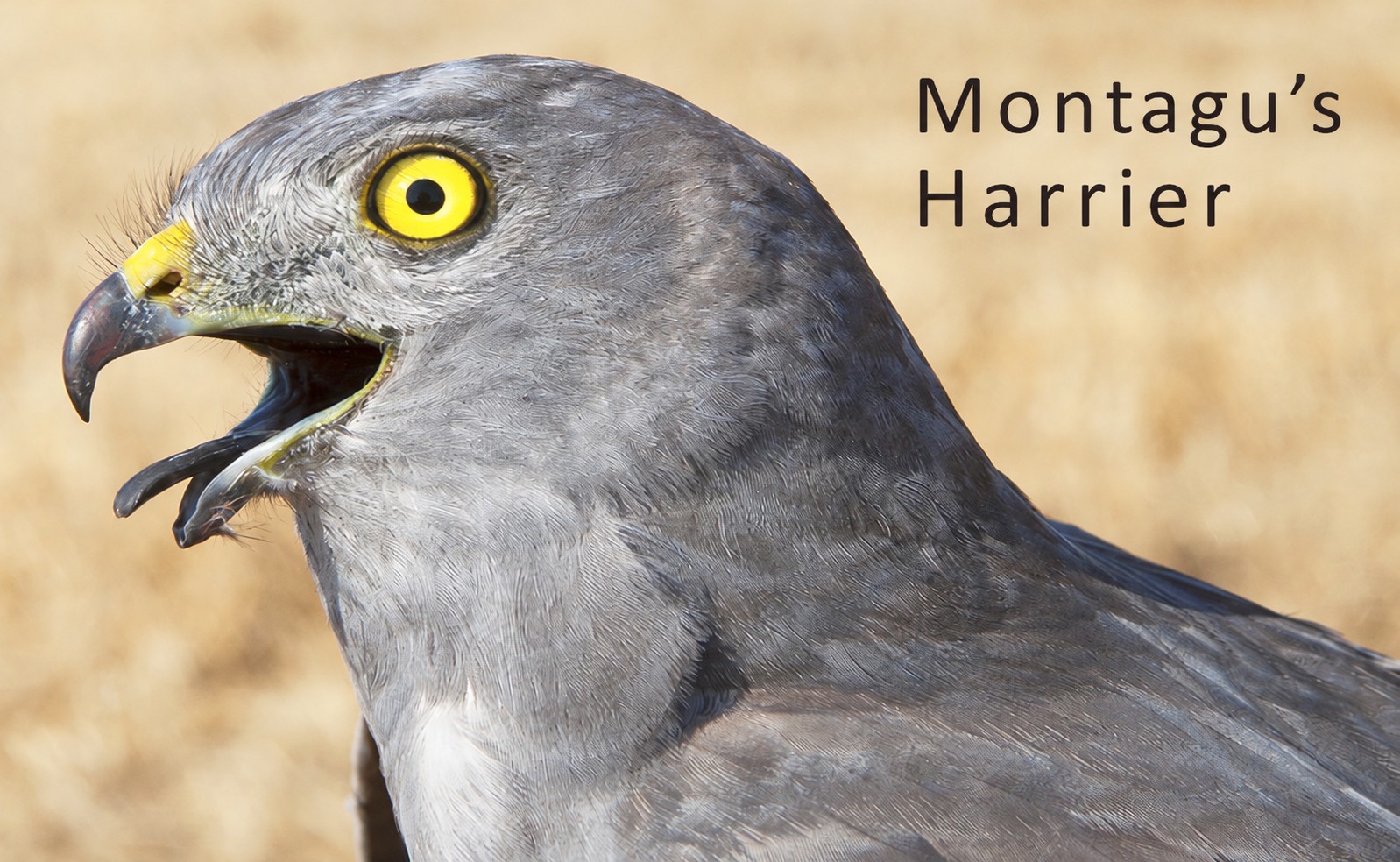
Montagu’s Harrier is a ground-nesting bird of prey. Its original breeding habitats were wetlands and steppes. The species still breeds in these habitats where they remain sufficiently widespread. Across much of Europe, however, Montagu’s Harrier has adapted to changes in the agricultural landscape, and today a large proportion of its population breeds in agricultural crops that resemble its original habitats.
Breeding in intensively managed agricultural landscapes is problematic for Montagu’s Harrier. There is a significant risk that nests containing eggs or chicks will be destroyed during harvesting. At the same time, food availability in agricultural landscapes fluctuates considerably depending on population cycles of the Common Vole, and predation pressure varies accordingly. When food is scarce, Montagu’s Harrier nests are often subject to increased predation.
As Montagu’s Harrier preys on small vertebrates, with the Common Vole forming an important part of its diet, the species is also beneficial to agricultural landscapes from a practical perspective.
Author: Karel Poprach
Maps

Localisation of Montagu’s Harrier nests in the Czech Republic in the years 1872–2023 (n = 4,046 breeding attempts, of which 3,906 confirmed and 140 probable; 527 nests are not displayed).
Orange: 40 nests in the years 1872–1970; red: 34 nests in the years 1971–1980; blue: 44 nests in the years 1981–1990; green: 154 nests in the years 1991–2000; brown: 848 nests in the years 2001–2010; black: 2,926 nests in the years 2011–2023.
Data source: Poprach et al. 2026